

INEOS Recommended Service Schedule Explained

Author: Victory INEOS Grenadier
Welcome, Nashville drivers! This locally tailored maintenance guide is designed specifically for you and your INEOS Grenadier, ensuring it’s ready to tackle everything from the bustling streets of downtown Nashville to the scenic routes leading to Brentwood, Franklin, and beyond. With decades of community trust under our belt, our experience with local driving conditions—like the twists and turns of Old Hickory Boulevard or the traffic on I-40—has shaped this schedule to suit the needs of your vehicle in our unique climate.
Whether you’re commuting through Hendersonville’s busy intersections, exploring Smyrna’s backroads, or taking day trips to Columbia and Gallatin, it’s essential to keep your Grenadier in peak condition. This guide emphasizes the importance of maintaining your vehicle based on our local roads and seasonal changes, ensuring that it’s always ready for your next adventure.
Why Should You Follow a Maintenance Schedule for Your INEOS?
Adhering to a maintenance schedule is crucial for safeguarding your investment in an INEOS, especially for drivers navigating the unique climate and driving conditions around Nashville. The intense summer heat and humidity can put extra stress on your vehicle’s fluids, belts, and filters. For instance, with regular trips along I-40 or I-65, your engine’s oil and cooling system are put to the test, and neglecting maintenance can lead to costly repairs down the line.
Regular service not only enhances your vehicle’s performance and fuel efficiency but also ensures your safety and peace of mind. For example, a well-maintained Grenadier Station Wagon can handle the heavy pollen during spring months, which often clogs air filters. This means smoother commutes through Nashville’s bustling streets and reliable weekend excursions to places like Radnor Lake State Natural Area. Ultimately, sticking to your maintenance schedule is about keeping your INEOS running as its engineers intended, making every drive a confident experience. For more insights on vehicle care, resources like Edmunds offer a wealth of information.
How Does INEOS’s Service Reminder System Work?
INEOS vehicles are equipped to notify drivers when it’s time for routine maintenance. This system is designed to prompt you to check the recommended service for your vehicle, ensuring it stays in peak condition.
When maintenance is due, you might see a message on the dashboard or a service indicator. The specific notifications and their frequency can vary significantly between models, so it’s always best to refer to your owner’s manual for the exact schedule. Additionally, driving patterns typical around Nashville can influence how often maintenance is necessary.
What Does the Primary Service Reminder Mean?
After understanding how service reminders work in general, the next step is knowing what the primary reminder is telling you. This reminder acts as a crucial indicator that scheduled maintenance is either due or approaching. Depending on the INEOS model you drive, the message might be as simple as a light or alert, while others may offer more insights through a maintenance display or settings menu. Since the specifics can differ by model and year, it’s best to consult your owner’s manual or the in-vehicle maintenance screen for the exact services needed.
Primary reminder: A general signal to review your vehicle’s scheduled maintenance guidance and plan service. It typically indicates that maintenance is due, without always listing every specific item on its own.
Additional details (if shown): Some vehicles display extra information—such as a maintenance screen, percentage, descriptive message, or symbols—that helps confirm what needs attention. If your vehicle provides these details, use them along with the owner’s manual to verify the recommended service.
What Do Additional Service Indicators Mean?
Many vehicles, including some INEOS models, offer additional service indicators that go beyond the primary reminder. These indicators can appear as extra items, symbols, or menu entries, providing more specific guidance on what services may be due. However, the exact details can vary depending on the vehicle. Here are some common examples of additional service items that you might encounter:
- Tire rotation: Regular tire rotation promotes even tread wear, which is essential for maintaining handling and safety. Given Nashville’s mix of highway driving and stop-and-go traffic, rotating your tires can help extend their lifespan.
- Engine and cabin air filters: The engine air filter ensures optimal airflow to the engine, while the cabin air filter keeps the interior air clean. Dust, pollen, and pollutants common in the Nashville area can clog these filters, affecting performance over time.
- Transmission fluid: Some vehicles recommend checking or servicing the transmission fluid as part of their maintenance schedule. Frequent short trips and hilly drives can elevate temperatures, stressing the transmission and necessitating more frequent checks.
- Spark plugs and valve clearance check (when applicable): Spark plugs may need replacement at specific intervals, and some engines also require inspections of valve clearance. These checks are crucial, especially for vehicles that have seen considerable mileage.
- Engine coolant: Engine coolant is vital for regulating temperature and protecting engine components. Hot summer days and long highway drives increase cooling system demands, making regular checks essential.
- Rear differential fluid (AWD/4WD, if equipped): For vehicles with AWD or 4WD, monitoring the rear differential fluid is important, particularly when driving in wet or uneven conditions around Nashville, which can put additional strain on the drivetrain.
- Brake fluid: Brake fluid can absorb moisture over time, which may compromise braking efficiency. If your vehicle indicates a need for brake fluid service, it’s important to adhere to the recommended intervals for maintenance.
What is a Typical INEOS Service Schedule for Nashville Drivers?

For Nashville drivers, having a general understanding of service timelines can be incredibly useful, even if your INEOS vehicle doesn’t feature a maintenance reminder system. This overview serves as a helpful reference alongside your owner’s manual. While this schedule is a planning aid, it’s essential to rely on the OEM guidance for specific service needs.
What Services Are Needed in the First 30,000 Miles?
During the initial 30,000 miles of ownership, INEOS drivers typically focus on essential services like routine oil changes, tire rotations, and maintaining clean air filters. The timing for these services can vary based on the specific INEOS model, driving habits, and recommendations found in the owner’s manual.
Oil service: Many vehicles might require an oil change depending on usage patterns. If your daily commute involves frequent short trips or stop-and-go traffic—common on roads like I-40 or through the bustling streets of downtown Nashville—you may find that your oil needs attention sooner than if you primarily drive on highways.
Tires and filters: Tire rotations are often scheduled at regular intervals to ensure even wear. It’s also important to monitor your engine and cabin air filters, especially given the pollen, dust, and construction debris prevalent in the Nashville area.
What Maintenance Should Be Done Between 30,000 and 60,000 Miles?
As your INEOS vehicle approaches 30,000 to 60,000 miles, maintenance typically shifts from basic upkeep to more involved services aimed at protecting critical systems. The specific timing for these services can vary based on your model, powertrain, and driving habits, so it’s important to consult your owner’s manual and any in-vehicle maintenance information for guidance.
Transmission fluid: A transmission fluid service is often recommended within this mileage range, especially for vehicles frequently navigating the stop-and-go traffic of Nashville or taking on the hilly terrain around Brentwood and Franklin. Proper fluid maintenance supports smooth shifting and enhances the longevity of your vehicle’s transmission, which is one of its most complex systems.
Brake fluid, brakes, and tires: Brake fluid replacement is generally advised on a time-based schedule—often every few years—since it can degrade even with low mileage. During this interval, regular inspections of your brakes and tires become crucial for maintaining safe and reliable stopping power, particularly when driving through congested areas or on highways like I-40 and I-65. To gauge overall vehicle reliability and owner satisfaction, consider checking resources like Consumer Reports.
What Major Services are Required Approaching 100,000 Miles?
As your INEOS vehicle nears the 100,000-mile mark, several significant maintenance tasks often come into focus. The specific timing for these services can vary based on the model and engine type, so it’s essential to consult your owner’s manual for the most accurate guidance.
Spark plugs: Keeping your spark plugs fresh ensures smoother operation, consistent starts, and better fuel efficiency—all crucial for maintaining the reliability of your vehicle as it ages, especially during those daily commutes through Nashville’s busy I-40 or I-65.
Timing belt and coolant service: While some older engine designs use timing belts that need replacing at specific intervals, many modern engines utilize timing chains with no routine replacement schedule. A coolant flush or replacement is often advised to prevent corrosion and overheating, ensuring that your cooling system functions effectively over the long haul.
Why is Local Expertise Important for Servicing Your INEOS?
Having a service team that understands the unique characteristics of Nashville’s climate, roads, and driving habits is invaluable for maintaining your INEOS. The hot, humid summers can put extra stress on your vehicle’s cooling system, while the pollen in spring may clog air filters faster than in other regions. Local technicians at Victory INEOS Grenadier are trained to identify these specific challenges. They are well-versed in the wear patterns that can emerge from navigating the heavy traffic on interstates like I-40 and I-65, as well as the rural routes leading to places like Radnor Lake or Warner Parks.
Technicians pay close attention to how conditions such as clay-like soils and seasonal weather can affect your vehicle’s performance. For instance, they know that the clay common in this area can lead to increased wear on suspension components. Being in tune with Nashville’s driving culture means they can proactively address potential issues, ensuring your INEOS remains reliable and ready for both daily commutes and weekend adventures. For further guidance on vehicle safety and maintenance, consider exploring resources from the National Highway Traffic Safety Administration (NHTSA).
Frequently Asked Questions (FAQs)
How often should I change my oil in Nashville’s climate?
Your vehicle’s service reminder or owner’s manual is your best guide, as oil change intervals can vary widely based on driving conditions. For Nashville’s humid summers, consult your vehicle’s guidelines for specific recommendations.
Are all-season tires suitable for driving around Nashville?
High-quality all-season tires are generally adequate for Nashville’s climate, providing reliable traction for both wet roads and mild winter conditions. However, during heavy rains, consider checking your tread depth for optimal performance.
Does commuting on local highways affect my vehicle’s service intervals?
Yes, it does. Stop-and-go traffic on congested highways like I-40 and I-65 can put extra strain on your engine and brakes, leading to potential service needs sooner than expected. Vehicles with service reminder systems may adjust their recommendations accordingly.
How often should I change my cabin air filter due to pollen and dust?
It’s advisable to inspect your cabin air filter regularly, especially after Nashville’s spring pollen season, to maintain air quality and ensure the HVAC system runs efficiently.
Is all-wheel drive (AWD) beneficial in Nashville?
AWD can be a valuable feature for navigating Nashville’s sudden downpours, enhancing traction and stability on wet roads. While not essential for everyone, it provides added confidence during inclement weather.
What maintenance schedule should older vehicles follow without a service reminder system?
For older models lacking a service reminder, refer to your owner’s manual for guidance on maintenance tasks like oil changes, filters, and fluids.
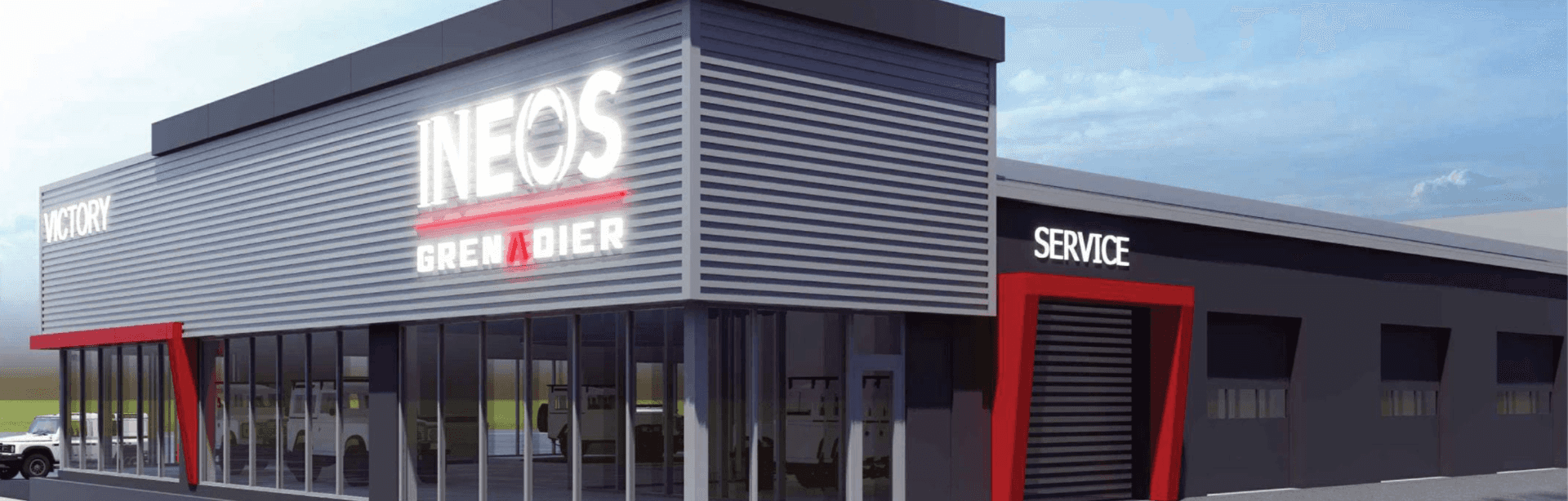
About Victory INEOS Grenadier
Victory INEOS Grenadier is Nashville’s premier destination for uncompromising 4×4 vehicles, serving off-road enthusiasts throughout Middle Tennessee and beyond. As a key member of the family-owned Victory Automotive Group—a top-15 national dealership group with nearly 30 years of industry leadership—we provide a specialized ownership experience backed by a legacy that began in Tennessee in 1997. Our team leverages extensive technical expertise and a state-of-the-art facility to support the award-winning Grenadier, a vehicle honored for its utilitarian innovation and rugged design. We are deeply committed to the communities we serve, contributing to significant philanthropic efforts including local auctions, educational sponsorships, and the University of Michigan’s sales leadership programs. Whether you are navigating the streets of Nashville or the toughest backcountry trails, you can trust our decade-spanning reputation for transparency, expert service, and a passion for the great outdoors.
Related Articles:
The Ultimate Guide to Finding the Best INEOS Dealer in Nashville, TN